Cycling is a fantastic cardiovascular workout, but to get the most out of your rides, it’s crucial to incorporate weight training into your fitness routine. Weight training for cyclists enhances power, stability, and endurance—key elements that directly translate into better performance on the bike. Whether you’re a recreational cyclist or an aspiring pro, the right weight training exercises will help you ride stronger, longer, and with less risk of injury.

Why Cyclists Need Strength Training for Better Power and Control
Cyclists often focus on cardiovascular endurance, but strength is just as important for performance and injury prevention. By building strength in the right muscles, you improve your ability to handle tough climbs, accelerate faster, and maintain better control over your bike. Cycling involves repetitive movements, which can lead to imbalances and overuse injuries if strength training isn’t part of the routine. Incorporating tools like the best exercise bike to build leg muscles can further enhance lower-body development.
The Performance Benefits You’ll Notice on the Bike
When you regularly incorporate strength training into your cycling routine, you’ll notice several key improvements:
How Strength Training Reduces Overuse Injuries
Cyclists tend to develop overuse injuries due to the repetitive nature of the sport. Strength training can help by:
The Essential Strength Training Plan for Cyclists
Creating a balanced strength training routine is essential for cyclists. It should focus on the lower body, core, and upper body to ensure overall strength and stability.
Lower-Body Weight Training for Cyclists
The legs are the powerhouse of a cyclist, and strengthening them will directly improve performance. Focus on exercises that target the major muscle groups in the legs—quads, hamstrings, glutes, and calves.
Core Weight Training for Cyclists
A strong core is essential for stability, posture, and endurance on the bike. Core exercises help cyclists maintain good riding posture, reduce fatigue, and avoid injuries.
Upper-Body Weight Training for Cyclists
Cyclists often overlook the upper body, but strong arms, shoulders, and chest are necessary for stability and control, especially when handling the bike in different positions.
Can You Strength Train Every Day as a Cyclist?
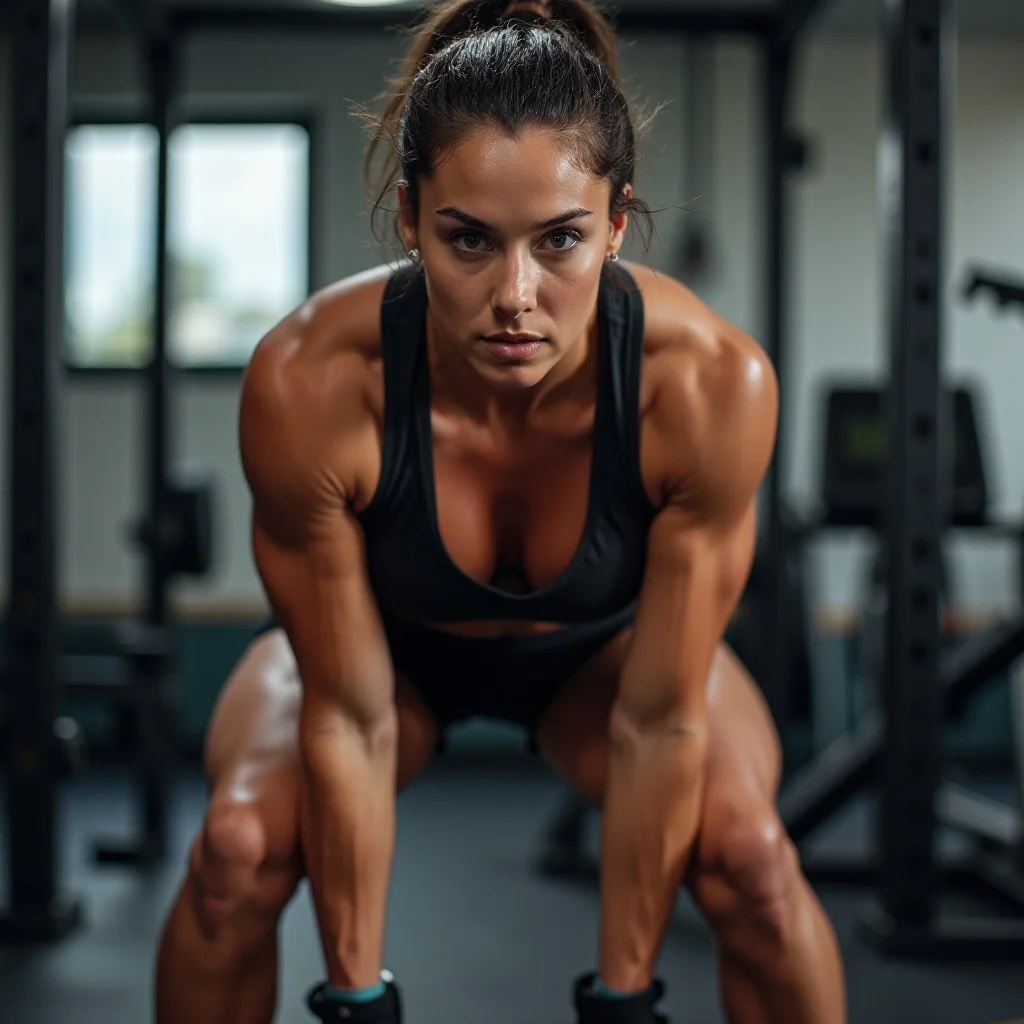
Strength training should complement your cycling routine, not replace it. But can you strength train every day as a cyclist? Let’s explore the nuances.
When Daily Strength Work Is Okay (Light, Mobility-Based Sessions)
While it’s generally not recommended to do heavy lifting every day, lighter strength training and mobility work can be done daily. These sessions may include exercises like:
These activities keep your muscles and joints in peak condition for cycling, especially helpful if you’re increasing volume because you’re working toward goals related to does cycling help you lose weight.
When You Should Avoid It (Heavy Lifts + Hard Riding Days)
On days when you have intense cycling sessions—such as long rides, hill climbs, or sprints—it’s best to avoid heavy strength training. Overloading the muscles with both heavy lifting and tough cycling workouts can lead to fatigue and increase the risk of injury. On these days, prioritize rest or lighter strength work.
How to Fit Strength Work Into Your Bike Riding Training
Integrating strength training into your bike riding training doesn’t have to be complicated. You can easily fit it into your schedule with proper planning.
Off-Season, Base, and In-Season Strength Priorities
How to Combine Lifting With Indoor or Outdoor Riding
When combining strength training with your cycling routine, balance is key. On days when you ride, aim for a short, intense strength session to avoid fatigue. You can also use indoor cycling sessions for active recovery after strength workouts.
Sample Weekly Training Templates
Here’s an example of how to structure your week with both strength and cycling sessions:
Conclusion
Weight training for cyclists is essential for boosting performance, preventing injuries, and achieving long-term cycling goals. Whether you’re focusing on your legs, core, or upper body, each area plays a vital role in your cycling efficiency. By integrating a balanced strength training routine with your bike riding training, you’ll see improvements in power, endurance, and stability—both on and off the bike. So, grab those weights and get started—you’ll feel the difference on your next ride!