Swimming is an excellent way to stay fit, have fun, and even compete at a high level. But did you know that there are many different swimming strokes, each with its own unique style and benefits? Whether you’re looking to improve your fitness, master the basics, or dive into competitive swimming, knowing the different types of swimming strokes is essential. In this guide, we’ll explore the most common strokes, their techniques, and how they can help you reach your swimming goals.
What Counts as a Swimming Stroke? A Quick Overview
A swimming stroke refers to the specific technique a swimmer uses to move efficiently through the water. Each stroke combines unique arm movements, kicking patterns, breathing methods, and body positions to create propulsion and minimize drag. Broadly, swimming strokes fall into two categories: competitive strokes, which follow strict rules and are used in races, and non-competitive or survival strokes, which focus more on comfort, safety, and endurance. Understanding these differences helps swimmers choose the technique best suited to their goals. Swimmers who take time to study different swimming strokes often find it easier to refine their technique and improve efficiency in the water.
The 4 Main Competitive Swimming Strokes
Competitive swimming revolves around four key strokes, each requiring different levels of skill, technique, and strength. Let’s break them down:
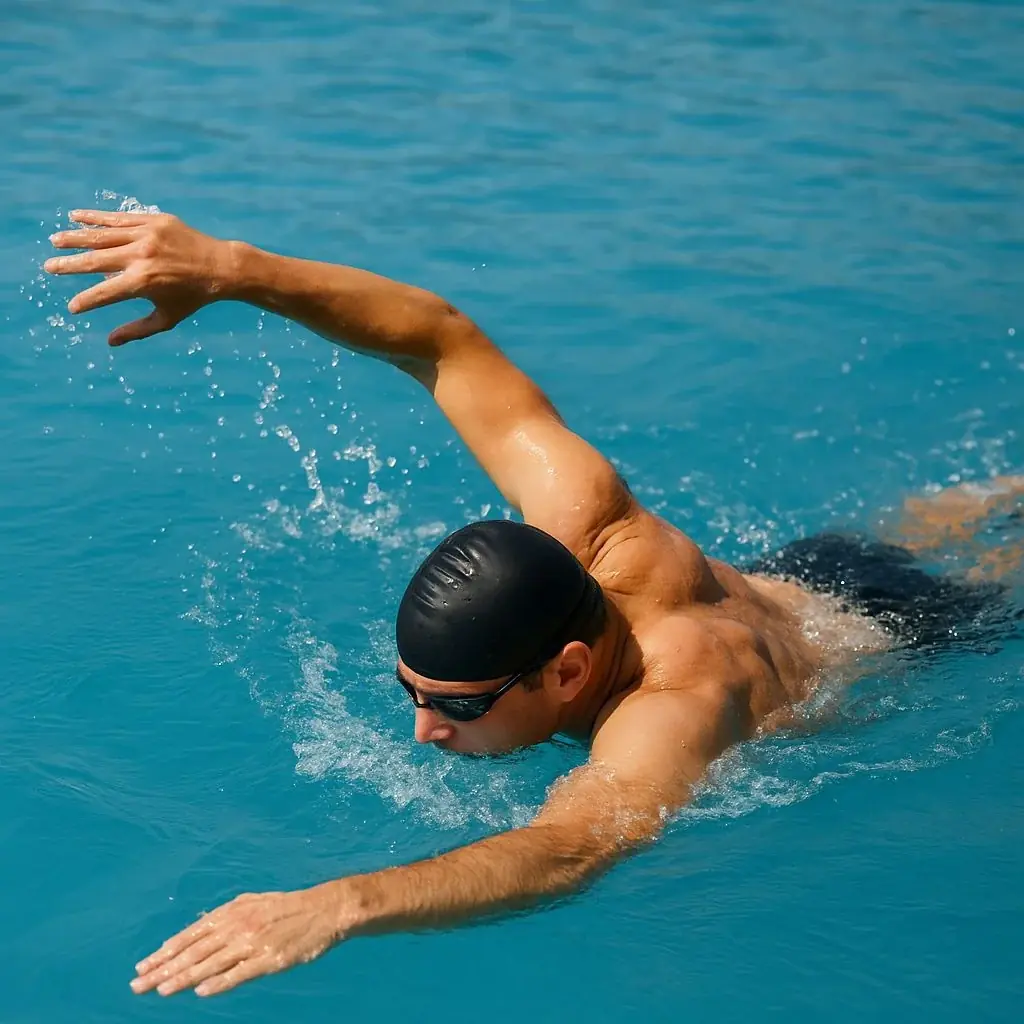
Freestyle (Front Crawl): Fastest and Most Common
Freestyle, or the front crawl, is the most popular and fastest swimming stroke. Swimmers alternate their arms in a circular motion while kicking with a flutter kick. The head turns to the side to breathe, and the body stays flat to minimize drag. Many athletes begin their training with structured routines such as a beginner swim workout to build confidence and stamina.
Backstroke: The Only Stroke You Swim on Your Back
The backstroke is unique because it’s the only competitive stroke where you swim on your back. This stroke involves alternating arm movements while performing a flutter kick. Since your head stays above water, it’s easier to breathe, making it a great option for beginners.
Breaststroke: Slower but Beginner-Friendly
Breaststroke is one of the slowest competitive strokes but is often considered the easiest to learn. It involves a frog-like arm and leg movement, making it perfect for swimmers who prefer a steady pace.
Butterfly: Powerful, Rhythmic, and Challenging
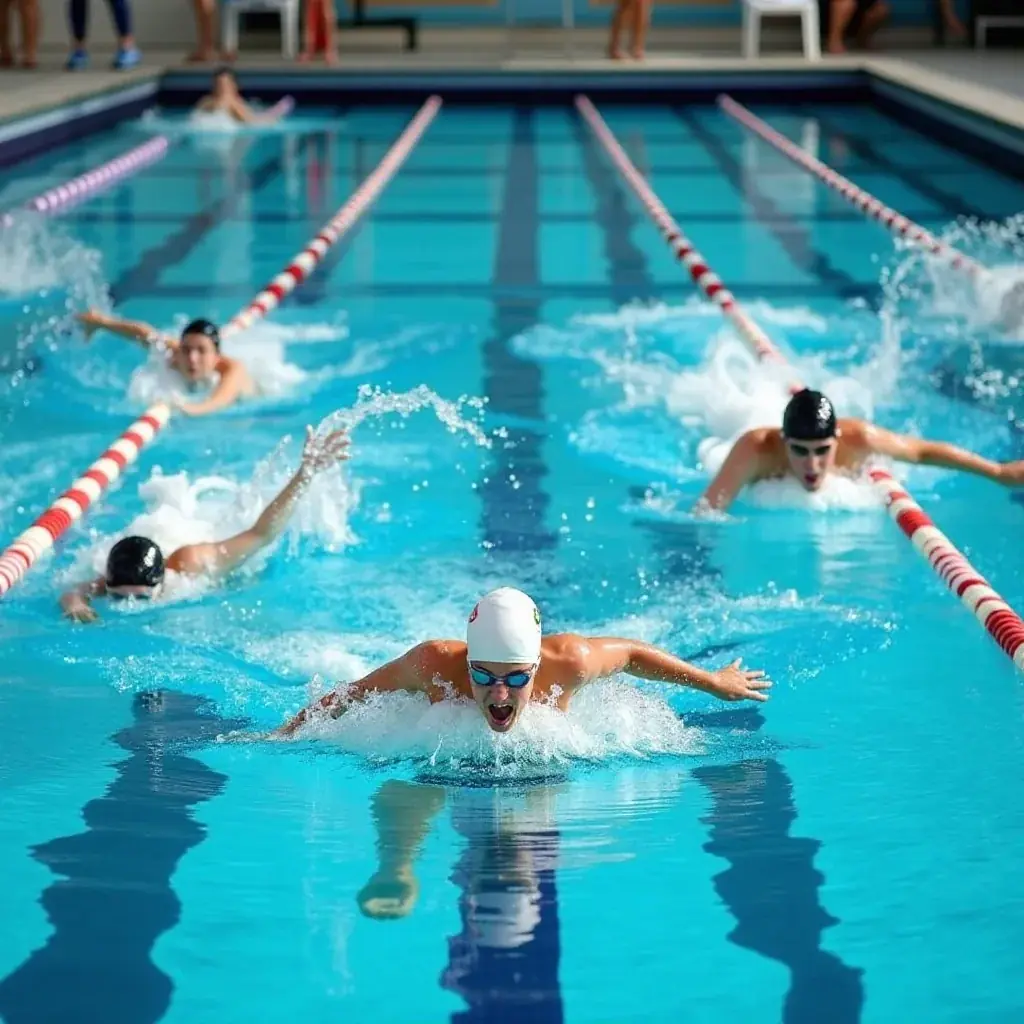
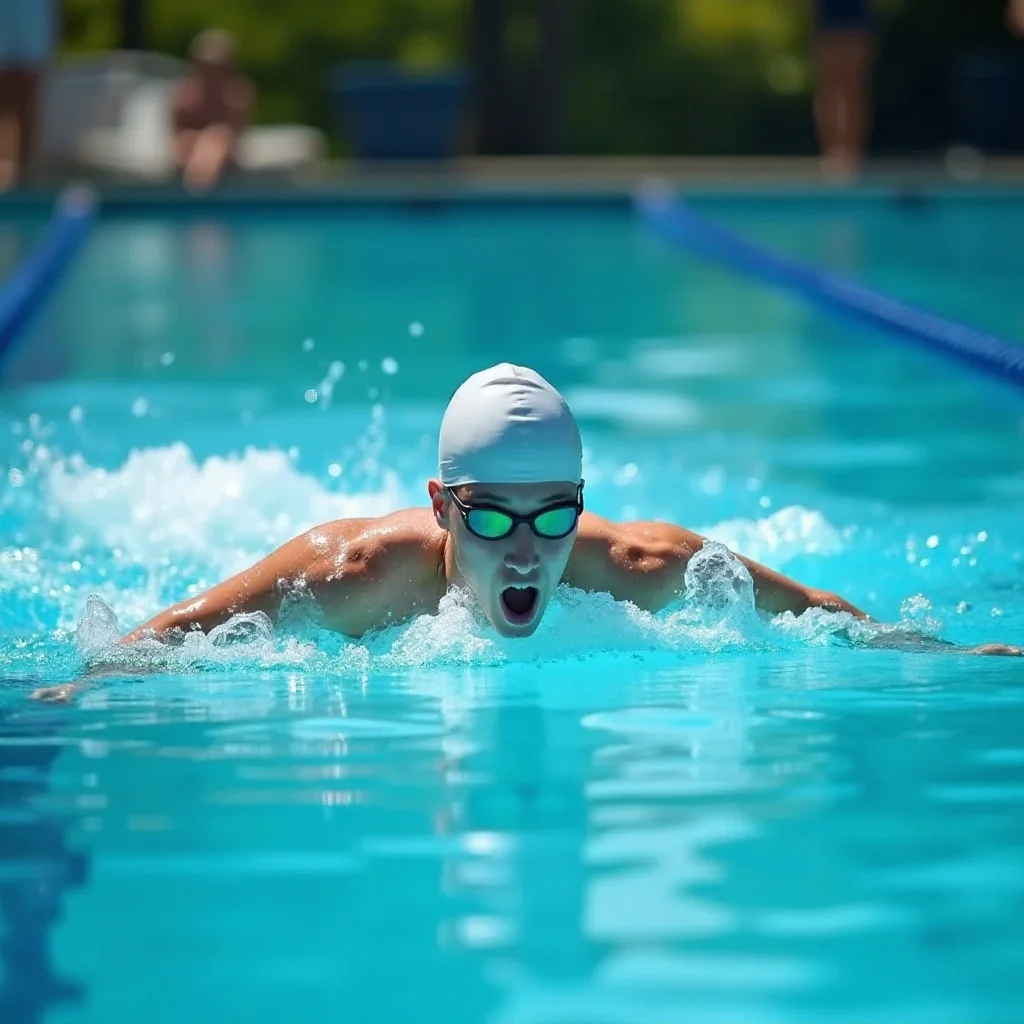
Butterfly is one of the most powerful and challenging strokes. It requires a wave-like body motion and simultaneous arm movements, along with the dolphin kick. This stroke is a favorite for sprinters but can be quite exhausting to maintain.
Other Common Swimming Strokes You’ll See Outside Competition
Not all swimming strokes are meant for racing. Some strokes are designed for relaxation, water safety, or fitness. These styles are also widely used in recreational swimming and survival situations. Many of these strokes have been shaped over time by swimming important people—notable athletes and innovators who refined technique and elevated the sport.
Sidestroke: A Classic Rescue Technique
Sidestroke is often used for rescues because it allows swimmers to keep one arm free while using a simple scissor kick. It’s a relaxed, low-intensity stroke that’s easy to perform, making it ideal for casual swimmers.
Elementary Backstroke: A Simple, Relaxed Survival Stroke
The elementary backstroke is a beginner-friendly stroke that’s easy to learn and allows you to stay calm in the water. It’s often used for water safety and is perfect for people who prefer a slower pace.
Combat Side Stroke: A Military-Style Survival Stroke
The combat side stroke is a faster variation of the sidestroke, used in military and tactical swimming. It’s great for situations where you need to move quickly but still need to keep your head above water.
Trudgen: A Hybrid, Early Freestyle Stroke
Trudgen is an old-school hybrid stroke that combines elements of both the breaststroke and the freestyle. Swimmers alternate their arm strokes like in freestyle, but use a frog-like kick, similar to the breaststroke.
How These Swimming Styles Compare
To help you decide which swimming stroke is right for your needs, we’ve created a comparison of eight of the most popular styles based on their speed, difficulty, and best uses.
How to Choose the Right Swimming Stroke for Your Goals
Choosing the best swimming stroke depends on what you’re hoping to achieve. Whether you’re focused on fitness, competitive swimming, or survival, each stroke offers unique benefits. Here’s how to choose the right one:
Building Endurance
If your goal is to build endurance, freestyle and backstroke are great choices. Both strokes allow for continuous swimming, making them ideal for improving stamina over time.
Improving Cardiovascular Fitness
For improving cardiovascular fitness, freestyle and butterfly are your best bet. These strokes engage large muscle groups, keep the heart rate elevated, and build overall endurance.
Learning Water Safety
If you’re focused on water safety, strokes like the elementary backstroke, sidestroke, and combat side stroke are great options. They’re easy to learn, and they help keep your head above the water while you swim at a steady pace.
Starting Competitive Swimming
If you’re getting into competitive swimming, mastering the four main strokes (freestyle, backstroke, breaststroke, and butterfly) is essential. Each stroke has its own technique and is used in different events, from sprints to long-distance races.
Tips for Practicing Any Stroke More Effectively
Mastering a swimming stroke requires practice and attention to detail. Here are a few tips to help you improve your technique for any stroke:
Breathing Rhythm
Breathing rhythm is key in strokes like freestyle and butterfly. Make sure to inhale deeply and evenly. In freestyle, try to breathe every two or three strokes to maintain your pace. In butterfly, focus on a smooth, rhythmic breathing pattern to avoid exhaustion.
Body Position
A streamlined body position reduces drag and makes swimming more efficient. In freestyle and backstroke, keep your head aligned with your spine. In butterfly, use a fluid, wave-like body motion. In breaststroke, keep your body level with the water for optimal glide.
Arm and Leg Coordination
Good coordination between your arms and legs is essential for smooth swimming. In breaststroke, your arms and legs should move in sync for a rhythmic stroke. For butterfly, make sure both arms and legs move together for maximum power.
Conclusion
Now that you know about the different types of swimming strokes, it’s time to get in the water and start practicing. Whether you’re aiming to improve your fitness, master water safety, or jump into competitive swimming, each stroke offers something valuable. Choose the stroke that aligns with your goals, and don’t forget to practice regularly for the best results. Happy swimming!