Riding in a bike is a skill that offers independence, improves health, and is an eco-friendly form of transportation. Whether you’re learning how to ride a bike for the first time or revisiting cycling after years, mastering the basics is essential for both fun and safety. This guide will walk you through the step-by-step process of learning how to ride a bike, plus tips on safety, overcoming challenges, and more.

Why Learning to Ride a Bike Matters
Learning how to ride bike offers numerous benefits, both physical and mental. For adults, it’s a great way to get moving, reduce stress, and embrace a sustainable form of transport. Children can enjoy outdoor adventures while developing coordination and confidence. Cycling also provides a low-impact workout, improving cardiovascular health and muscle strength. Many beginners are also curious about does cycling help you lose weight, and the answer is yes—consistent riding can support fat loss while improving endurance.
It’s never too late to start learning how to riding bicycle, so whether you’re young or an adult beginner, the joys of cycling await you.
What You Need Before You Start Riding
Before hopping on your bike, it’s essential to ensure you’re properly equipped. This includes choosing the right bike, making simple adjustments, and gearing up with the proper safety equipment. Let’s break it down.
Choose the Right Bike for Your Body
Picking the right bike is the first step in ensuring a smooth riding experience. A bike that suits your body size and riding style is crucial. When selecting a bike, ensure the frame size is correct for your height. Test ride it to check comfort levels and handlebar reach.
Make Simple Adjustments (Seat Height, Brakes, Tire Pressure)
Proper adjustments are key to a comfortable and safe ride. Adjust the seat height so that your feet can touch the ground when seated. Check your brakes to make sure they’re responsive and not too tight or loose. Also, ensure your tires are properly inflated to avoid any mishaps while riding.
Must-Have Safety Gear
Safety is paramount when riding a bike. The right gear can protect you and enhance your visibility on the road.
How to Ride a Bike for the First Time: Step-by-Step
Starting with the basics is the key to mastering bike riding. Follow these simple steps, and you’ll soon be riding like a pro.
Find a Safe, Open Practice Space
Start in an area free of traffic and obstacles, such as an empty parking lot or a quiet park. This will allow you to focus on learning the fundamentals without distractions.
Start With Balancing (Gliding Method)
Learning to balance is the first skill to master when learning how to ride a bike. Here’s how to practice:
This gliding method builds your balance without the need to pedal immediately.
Add Steering and Control
Once you can glide steadily, it’s time to add steering. Start by gently turning the handlebars left and right to guide your bike in the direction you want to go. Keep practicing until you feel confident steering in a straight line and turning.
Begin Pedaling with Support or Momentum
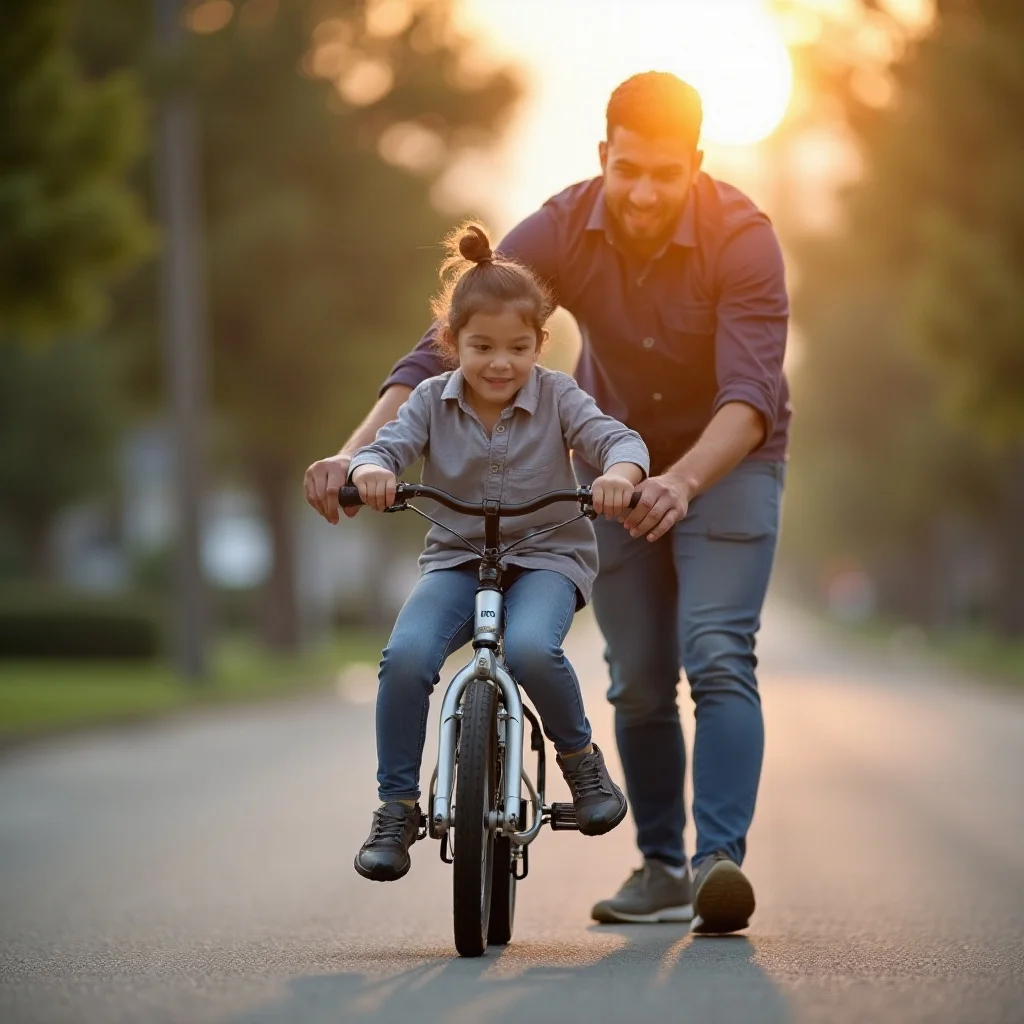
Start pedaling while using momentum or assistance. You can either push off with your feet or have someone help you get started. When you start pedaling, focus on maintaining your balance, and avoid looking directly at your feet.
Learn How to Stop Smoothly and Safely
Knowing how to stop is just as important as learning how to ride. Begin by applying gentle pressure to the brakes while keeping a firm grip on the handlebars. Practice stopping slowly and gradually, ensuring you’re not slamming on the brakes.
Common Beginner Challenges (and How to Fix Them)
When you’re learning how to ride a bike, there may be a few hurdles to overcome. Here are common challenges and how to address them.
Wobbling or Losing Balance
Wobbling is a natural part of learning how to ride a bike. To reduce wobbling, keep your head up and look ahead rather than at the ground. Keep your body relaxed and avoid tensing up. Over time, your core strength will improve—something that can be enhanced further with weight training for cyclists, which supports better stability and power.
Fear of Falling
It’s common to fear falling when learning how to ride a bike. To overcome this, practice in a safe environment with soft ground, like grass. You can also wear extra padding, like knee and elbow pads, to feel more secure.
Trouble Starting Without Help
If you have trouble starting on your own, practice by finding a slight downhill slope. This will help you get momentum and feel less wobbly when you begin pedaling. Once you’ve mastered this, you’ll be able to start without assistance.
Difficulty Turning or Steering Straight
Turning can feel tricky at first. To make turns, lean slightly into the turn while steering gently. Practice turning in both directions to get used to the movements.
Tips for Riding a Bicycle
Once you’ve got the basics down, it’s time to explore other essential riding skills.
How to Ride in Traffic Safely
When you’re riding in traffic, visibility is crucial. Always wear bright, reflective gear, especially at night. Use hand signals to indicate turns or stops and make sure to scan your surroundings to avoid potential hazards. Ride predictably and avoid sudden movements.
How to Use Bike Lanes and Shared Paths
Bike lanes and shared paths are designed to keep cyclists safe, but they come with specific rules. Always stay within the bike lane, yield to pedestrians, and signal your intentions clearly.
Riding Uphill, Downhill, and on Different Surfaces
Different surfaces and inclines require different riding techniques:
Shifting Gears the Right Way
Shifting gears is essential for adjusting to different terrains. Shift to a lower gear when going uphill and a higher gear when riding downhill or on flat roads. Always shift gears while pedaling smoothly to avoid jerks.
Maintaining Speed and Momentum
To maintain speed, try to pedal consistently and avoid sudden stops. Use your gears to adapt to the terrain and conserve energy.
Planning Longer Rides
For longer rides, plan ahead. Bring water, snacks, and a basic repair kit in case of emergencies. Wear comfortable clothing and ensure your bike is in top condition.
Safety Rules Every Rider Should Know
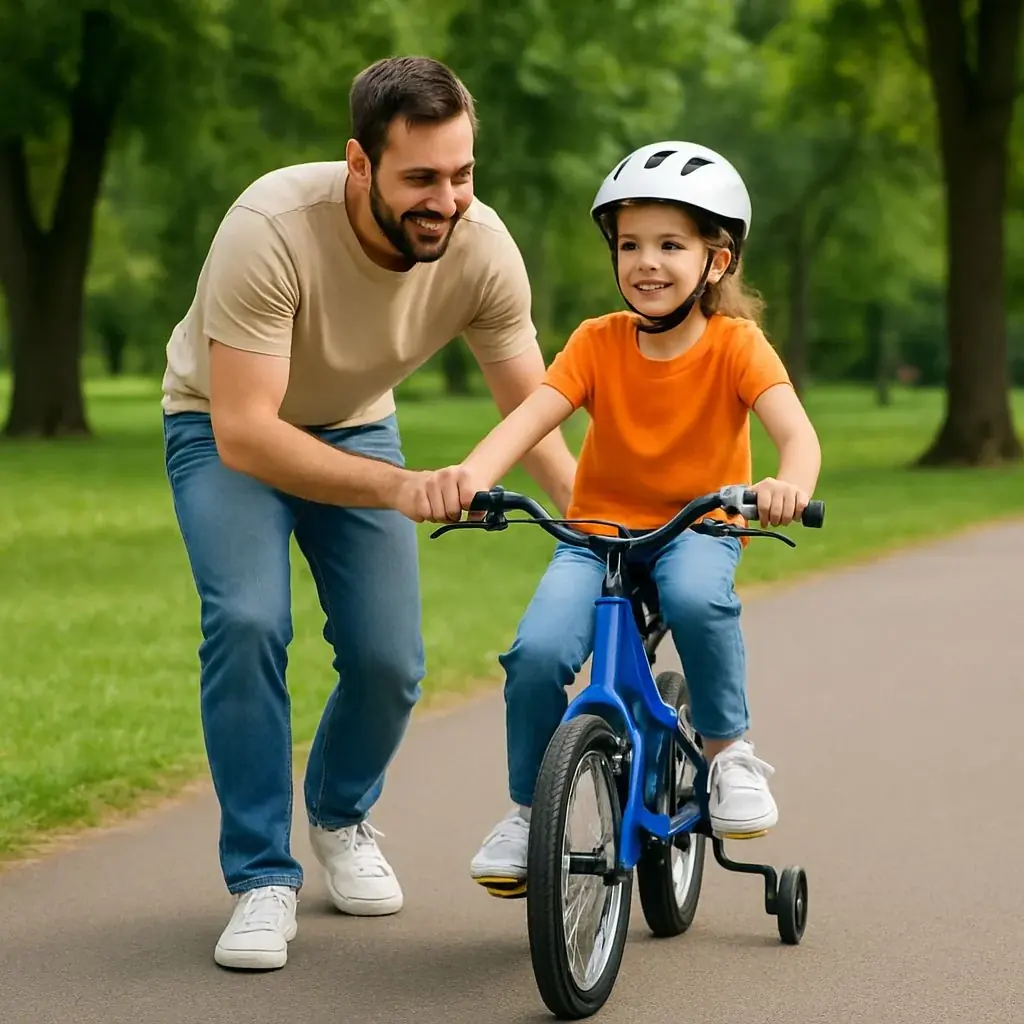
Cycling can be a lot of fun, but safety should always come first. Here are essential safety rules to follow:
Conclusion
Learning how to ride a bike opens the door to a healthier, more sustainable way of living. Whether you’re new to cycling or brushing up on your skills, following the steps and tips in this guide will help you build confidence and become a safer, more skilled rider. Remember, it’s never too late to start—so grab your helmet and enjoy the ride, especially when riding in a bike feels more natural with practice!