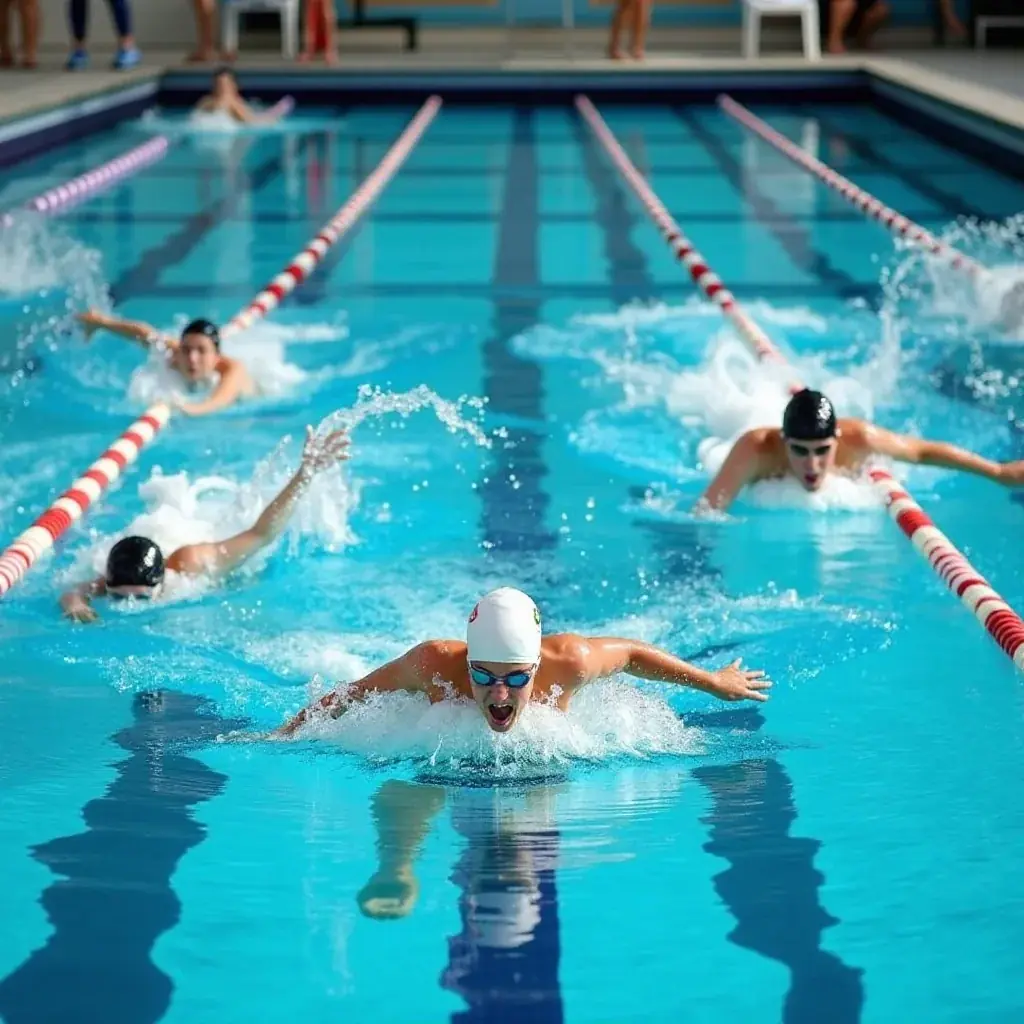
Swimming is one of the best full-body workouts, and it’s fantastic for building endurance, strength, and overall fitness. If you’re just starting out, it’s important to have a structured beginner swim workout that allows you to gradually build confidence, improve technique, and prevent fatigue. This guide will walk you through the essential elements of a beginner swim workout, from warm-up to cool-down, and provide tips to ensure you’re progressing in the right direction.
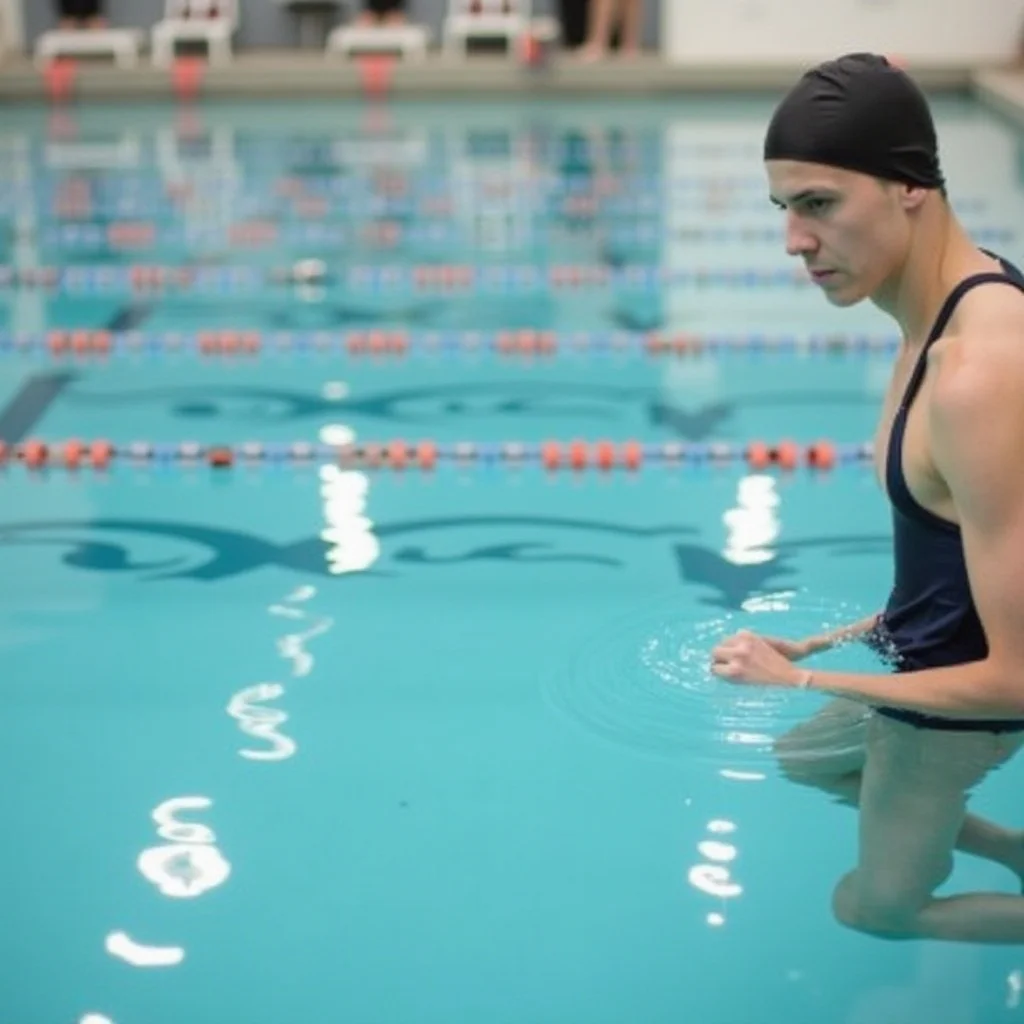
What a Beginner Swim Workout Should Include
A beginner swim workout should be carefully balanced to help you ease into swimming without overexertion. The routine should include:
Warm-up to prepare your muscles and breathing
Warming up before diving in is important for activating your muscles and increasing circulation. A good warm-up allows your body to adjust to the water temperature and mentally prepares you for the workout ahead. Start with 200–400 meters of easy swimming at a relaxed pace, using whatever stroke feels most comfortable. A gentle 50-meter backstroke or breaststroke can do wonders to help you get your breathing under control, especially if you're exploring swim workouts for beginners that prioritize comfort and technique.
Main set that builds endurance and technique
The main set is the core of the swim workout. As a beginner, focus on doing intervals that allow you to build both endurance and technique. For example, swim 4 sets of 50 meters with short rests in between. Gradually work your way up to longer intervals as your stamina improves. This approach is ideal if you’re following a beginning swimming workout that emphasizes steady progress and confidence in the water.
Cool-down for proper recovery
After your main set, don’t skip the cool-down. This allows your heart rate to gradually return to normal and helps to release tension in your muscles. Aim for 100 meters of easy swimming, such as breaststroke or backstroke, focusing on relaxed strokes and deep breathing.
The Best Beginner Swim Workout (Step-by-Step)
Here’s a simple, step-by-step swim workout for beginners that includes all of the elements needed for a full, balanced session.
Warm-up (200–400 meters)
Start with a warm-up of 200–400 meters, depending on your comfort level. You can alternate between freestyle and backstroke, swimming at a moderate pace. Keep your strokes easy and relaxed to gradually prepare your muscles and cardiovascular system for the main set. This warm-up is especially helpful if you're using swimming as part of your swimming for fitness beginners routine.
Main workout (around 300 meters)
For the main set, aim for 300 meters, which you can break into 4–6 intervals of 50 meters each. Swim at a moderate pace and focus on your form. Take about 20–30 seconds of rest between each interval, and use this time to recover and get ready for the next one. If you’re not yet able to complete 300 meters, feel free to reduce the distance and build up as you get stronger.
Cool-down (100 meters)
After your main workout, swim 100 meters at an easy pace. This is your time to relax and lower your heart rate. Focus on long, smooth strokes and deep breathing. This cool-down will help prevent soreness and tightness in your muscles.
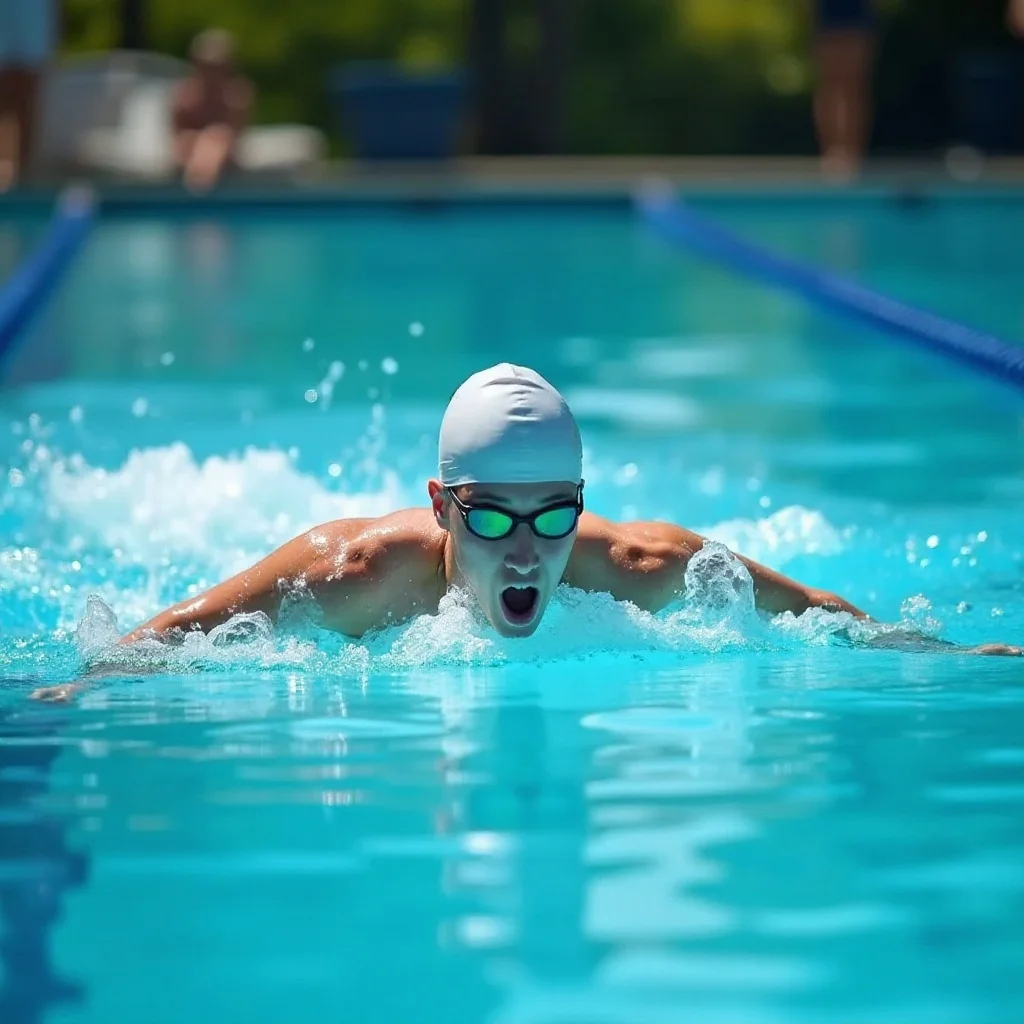
How to adjust if you get tired early
If you find yourself getting fatigued before completing your full workout, don’t worry! Adjusting your swim workout is normal for beginners. You can:
As you progress, gradually increase the workout duration or intensity, but remember to listen to your body and adjust as needed.
Beginner Swim Workout Progression
As a beginner, it’s important to track your progress and make gradual improvements. Here’s how you can progress week by week.
Week 1: Focus on comfort and technique
In the first week, your primary goal should be comfort. Focus on getting familiar with the water and swimming with proper technique. Keep your swim sessions short, about 20–30 minutes, to avoid exhaustion.
Week 2: Add short intervals
In week two, introduce short intervals of faster swimming. Start with 50-meter sprints followed by rest, and aim to complete a total of 300 meters or more. Focus on improving your technique and breathing during these intervals.
Week 3: Increase distance slightly
In week three, increase the distance you swim. Aim to swim 400–500 meters, breaking it into manageable intervals. Focus on endurance and maintaining a steady pace throughout the workout.
Week 4: Introduce faster 25s for speed and confidence
In week four, begin to introduce faster 25-meter sprints to build your speed and confidence. This will help improve your overall performance and prepare you for longer swims in the future.
Technique Tips Every Beginner Should Know
Good technique is essential to swimming effectively and preventing fatigue. As a beginner, it’s easy to focus too much on how many meters you’re swimming rather than how you’re swimming. Here are a few key tips to ensure you’re swimming with proper form.
Relax your breathing to stay calm in the water
Breathing properly is essential for maintaining energy and staying calm while swimming. Inhale through your mouth above water and exhale through your nose when your face is submerged. Try to establish a rhythm with your breathing to avoid shortness of breath or panic. If you’re doing freestyle, focus on exhaling fully so that your next breath comes naturally.
Keep your body position long and streamlined
A streamlined body position is key for reducing drag in the water. Aim to keep your body as long as possible, with a slight body roll for freestyle. Avoid excessive splashing or overreaching with your arms, which can waste energy. This is especially important when practicing different types of swimming strokes, each requiring its own balance and body alignment.
Improve your pull and kick without overthinking
Your pull (arm stroke) and kick should complement each other to create a smooth and efficient swim. For beginners, it’s important not to focus too much on complex technique; instead, try to maintain a steady kick and pull. Ensure that your arms are reaching forward, and your kick is consistent and gentle. Over-kicking or straining can lead to fatigue.
How to avoid the most common beginner mistakes
Here are a few common mistakes beginners make and how to avoid them:
Beginner-Friendly Equipment That Makes Swimming Easier
While swimming is a great workout with minimal equipment, using a few tools can make the learning process easier and more effective.
Kickboard for building leg strength
A kickboard is a simple flotation device that can help you focus on your legs and build strength in your kick. Using a kickboard will allow you to isolate your lower body while still swimming with your arms. It’s particularly useful for improving your kick technique.
Pull buoy for improving upper-body technique
A pull buoy is another useful tool that helps you isolate your upper body while swimming. Place it between your legs to float and focus on your arm strokes. This helps you improve your pull technique and build upper-body strength without worrying about your legs.
Goggles that help reduce fatigue and frustration
Goggles are essential for reducing water irritation and helping you see clearly underwater. Choose a comfortable pair that fits snugly but doesn’t pinch, ensuring you can swim comfortably without interruptions.
Safety Tips for Swimming Beginners
Swimming is generally safe, but it’s important to follow basic safety guidelines, especially as a beginner.
How to rest safely at the wall
When resting at the wall, never stand up in the pool, as this can cause injury. Instead, kneel on the pool floor or simply float on your back. Use the wall to support yourself while taking short breaks.
Warning signs to stop and recover
If you experience dizziness, chest pain, or difficulty breathing, stop swimming immediately and take a break. Always listen to your body, and don’t push yourself too hard.
When to seek coaching or instruction
If you’re struggling with your technique or feel stuck in your progress, consider seeking guidance from a coach or swim instructor. A coach can help you refine your technique and make your workouts more effective.
Conclusion
A beginner swim workout is a fantastic way to get in shape, improve cardiovascular health, and build strength in a low-impact environment. By following a structured routine, focusing on technique, and progressing at your own pace, you’ll be able to enjoy swimming for fitness as a fun, lifelong activity. Keep these tips in mind, and you’ll see steady improvement in no time!